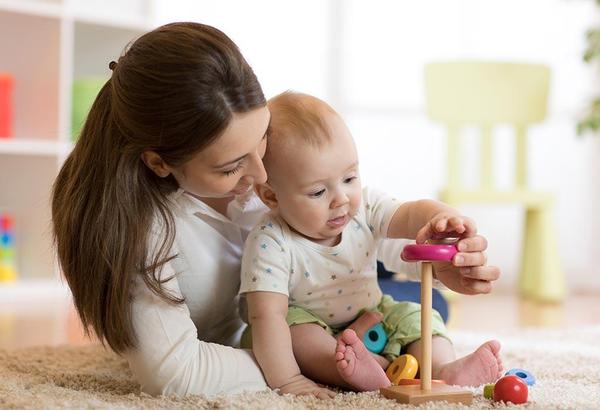
Here are the 3 main takeaways:
1. Genes provide the blueprint but early experiences shape the brain with lasting effects. Your baby's early experiences have a profound impact on whether he/she will have strong or weak brain foundations for all future learning and behaviours.
2. Many "special" commercial learning techniques offered in baby and toddler programmes originate from adult learniing and may not be the most appropriate for young children. For example, while flash cards is an effective adult recall strategy for memorising of facts, young children are likely to receive much greater benefit from reading a book or enriched language experiences as their brains are developing basic language patterns and
understanding, making exposure to full sentences with context and meaning much more useful than single word vocabulary. The use of parentese, involving exaggerated but slow speaking, helps young children hear different words better and has proven evidence in helping little ones learn vocabulary.
3. The BrainFit Baby SMART Play approach encompasses the following key elements:
- Scaffolding play to stretch a child's abilities
- Multiple types of guided play to build all-round pre-academic skills
- Attentive, “stretched” play vs fast-paced activities
- Reshaping a child's potential areas of brain weaknesses using a parent's positivity
- Thinking skills vs rote memorising